

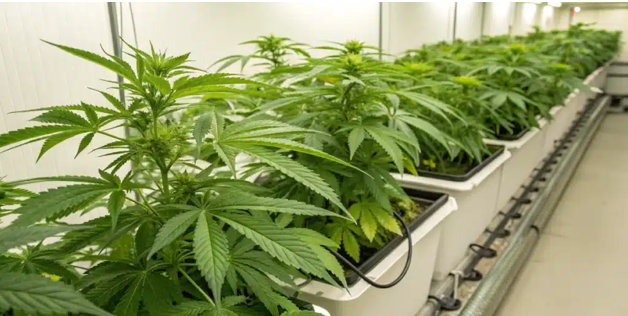
Soil-based and hydroponic systems can both support healthy plant growth when they are managed carefully. The better choice depends on experience, available time, room design, water quality, equipment, and the grower’s willingness to monitor the root zone. One method is not automatically more professional than the other. Reliable results come from understanding how the selected system works and maintaining it consistently throughout the cultivation cycle.
Understand the Main Difference
Container media such as soil-based mixes hold water and nutrients around the roots while also providing physical support. The medium can buffer some changes, allowing the plant to respond more gradually to minor watering or feeding errors.
Hydroponic systems deliver water and dissolved nutrition more directly. They may use a reservoir, inert media, pumps, air stones, or irrigation lines. This control can support fast adjustments, but mechanical or water-quality problems may also affect the roots quickly.
Compare Forgiveness and Precision
A well-prepared container medium may tolerate small mistakes better than an active hydroponic reservoir. This buffering can give beginners more time to notice a problem and correct it before the plant responds severely.
Hydroponics offers greater control over pH, conductivity, temperature, water level, and oxygenation. Growers who enjoy measuring conditions and keeping records may value this precision. However, anyone unable to inspect the system regularly may find the routine demanding.
Review the Equipment Needed
A basic container setup requires pots, drainage trays, growing medium, lighting, airflow, and a watering plan. Meters may still be useful, but the system can remain relatively simple and involve fewer mechanical components.
Hydroponics may require a reservoir, pumps, air stones, tubing, plant baskets, meters, timers, and backup parts. The grower should understand how each component works before adding a living plant.
Think About Water Quality
Water affects both methods, but its influence is easier to measure in hydroponics because the root solution is monitored directly. Tap water may contain minerals and alkalinity, while filtered water may contain very little. These differences can influence nutrient preparation and pH stability.
A product search containing hydroponic nutrients weed does not identify the correct formula by itself. The selected program should suit the water source, plant stage, and system design while providing clear manufacturer instructions.
Compare Daily Monitoring
Container media should be checked for moisture, drainage, pests, and visible plant response. Watering by calendar can still cause problems, especially in small containers or rooms where drying conditions change.
Hydroponic systems may require daily checks of water level, pumps, aeration, pH, conductivity, temperature, and root appearance. Equipment failure can affect the plant quickly, so observation and backup planning become essential.
Protect Root-Zone Oxygen
Healthy roots require oxygen in both systems. Waterlogged soil can restrict airflow, while poorly aerated hydroponic water can create an unstable root environment.
The grower should understand how the setup supplies oxygen. Drainage, media structure, circulation, air stones, and water temperature all contribute. Feeding cannot correct a root zone that lacks suitable oxygen.
Compare Cleaning and Maintenance
Containers, trays, tools, and work surfaces should be cleaned between cycles. Reused pots or media may require additional sanitation and inspection.
Hydroponic reservoirs, tubing, pumps, and air stones can collect residue or become blocked. Maintenance should follow equipment and product guidance. A carefully measured feeding plan cannot compensate for a dirty or failing system.
Review Feeding Complexity
Container plans may use prepared media, liquid fertilizer, or controlled amendments. The grower should avoid combining several products without understanding what the base medium already contains.
A complete program of weed hydroponic nutrients is generally easier to manage than a collection of unrelated additives. Each component should be measured carefully, mixed in the correct order, and recorded for later comparison.
Consider Environmental Sensitivity
Temperature and humidity influence both methods. In hydroponics, heat can also raise reservoir temperature and reduce oxygen availability. In containers, warmth and airflow may change drying speed and lead to inconsistent watering.
The room should be tested before plants arrive. Lighting, ventilation, drainage, temperature control, and electrical safety should all be considered part of the growing method.
Think About Space and Mobility
Containers can often be moved individually, making inspection and cleaning easier. However, large pots become heavy, and repeated movement can damage stems or disturb roots.
Some hydroponic systems connect several plant sites to one reservoir. This may improve efficiency, but it also makes the group dependent on shared equipment and solution quality. One mechanical problem can affect several plants at once.
Match the Method to the Grower
Someone who prefers a slower, more buffered system may feel comfortable with container media. A grower who enjoys equipment, measurements, and frequent observation may prefer hydroponics. The choice should reflect actual daily availability rather than an idealized plan. The best system is the one the grower can maintain safely and consistently.
Start at a Manageable Scale
Beginners should avoid building a large or complicated room before understanding basic root-zone management. One or two plants in a simple setup provide enough information to develop a routine. Records of watering, solution changes, environmental readings, and plant response help the grower decide whether to expand or change methods later.
Consider Waste and Resource Use
Each method creates a different resource pattern. Container systems may require replacement or disposal of growing media, while hydroponic systems use pumps, filters, cleaning supplies, and sometimes more electricity. Recirculating designs can reduce water waste, but only when leaks and solution quality are managed carefully. The grower should plan how used media, water, and cleaning solutions will be handled responsibly.
Prepare for Equipment Problems
A container plant may tolerate a short interruption if the medium still contains moisture and the room remains stable. In hydroponics, failed aeration or circulation may affect roots more quickly.
Backup equipment and a written response plan therefore have greater importance in water-based systems. Pumps, air stones, connectors, and power arrangements should be checked before plants are introduced.
Conclusion
Container media and hydroponics offer different balances of buffering, precision, equipment, maintenance, and daily attention. Both can perform well, and both can fail when roots, water, sanitation, or environmental conditions are neglected.
The strongest choice matches the grower’s space, water source, skills, budget, and ability to monitor the system. Understanding the root zone and following a repeatable routine matter more than selecting the method with the most impressive reputation.